
CBT is evidence-based, results-focused, and the foundation of everything we do at Palo Alto Therapy.
Unlike open-ended talk therapy, CBT is structured, practical, and built around results. Most clients see meaningful improvement within weeks, not years.
CBT at Palo Alto Therapy can help with:
- Anxiety — generalized, health, social, and situational
- OCD and intrusive thoughts
- Panic attacks and panic disorder
- Depression and low mood
- PTSD and trauma responses
- ADHD and executive function challenges
- Stress and burnout
- Phobias and avoidance
- Relationship and communication difficulties
- Life transitions and adjustment challenges
What Is CBT?
Most people who come to therapy have already tried to think their way out of the problem. They understand their anxiety. They know their perfectionism is unrealistic. They’ve read the books, downloaded the apps, and told themselves to just relax. And yet the worry keeps returning. The burnout doesn’t lift. The same patterns keep playing out.
Insight is not the problem. The missing piece is a clear, practical method for actually changing what’s happening, its in your thoughts, your habits, and your daily life.
That’s what Cognitive Behavioral Therapy does.
Importantly, CBT is not about forcing positive thinking or pretending things are fine when they’re not. It’s about developing a more accurate relationship with your own mind so that your thoughts work for you instead of against you.
Unlike traditional talk therapy, CBT is active. Sessions are structured and focused. Between appointments, you practice specific skills in real-life situations at work, at home, in the moments that actually matter. For people navigating demanding careers, high expectations, and the relentless pace of Bay Area life, this kind of practical, present-focused approach tends to fit far better than open-ended exploration.
At Palo Alto Therapy, CBT is never a one-size-fits-all protocol. Our therapists tailor the approach to each client’s age, and goals, and when needed we can draw on other treatment options like Exposure and Response Prevention (ERP) for OCD, Trauma-Focused CBT for PTSD, and mindfulness-integrated approaches for stress and burnout. The goal is always the same: real tools, real change, and skills that keep working long after therapy ends.
Who CBT Helps
CBT is effective across a wide range of ages and conditions. At Palo Alto Therapy, we provide CBT for children as young as four through adults, adapting techniques to be developmentally appropriate and relevant to each person’s life.
Let’s make scheduling the easy part
Call (650) 461-9026
Text (650) 461-9026
Book a Free 15-Minute Consultation
Children & Teens
For younger children, CBT is woven into play-based or parent-involved formats that make concepts accessible and engaging. We work with children experiencing anxiety, OCD, ADHD, phobias, school refusal, and behavioral
Adolescence brings its own pressures such as academic performance, social anxiety, identity, and increasing independence. CBT gives teens practical skills for managing worry, low mood, and difficult emotions, delivered in a way that respects their growing autonomy and meets them where they are. challenges — helping them build emotional awareness and coping tools they can actually use.
Young Adults
CBT helps young adults understand how their thoughts, emotions, and behaviors influence one another, especially during periods of stress, uncertainty, or transition. Through practical tools and real-life strategies, therapy helps them respond to challenges with greater confidence and feel more capable of handling adulthood.
Adults
For adults, CBT addresses everything from everyday anxiety and burnout to complex presentations like OCD, PTSD, and depression. Sessions are focused, skills-based, and designed to produce real results, whether you’re navigating a specific challenge or building long-term resilience.
How CBT Works
CBT follows a clear, collaborative process — though the pace and specific techniques are always tailored to the individual.
Your therapist works with you to understand what’s happening, how long it’s been going on, and what you want to be different. Together you establish clear, measurable goals so progress is visible and therapy has direction.
CBT helps you map the connections between your thoughts, feelings, physical sensations, and behaviors. You’ll begin to see the specific cycles maintaining your symptoms, and understand why what you’ve tried before may not have worked.
This is the active core of CBT. Your therapist introduces tools matched to your specific reasons for seeking therapy such as cognitive restructuring, behavioral experiments, exposure exercises, relaxation techniques, problem-solving strategies. You practice between sessions, which is where the real change happens.
Skills learned in session are applied to real situations such as at work, at home, or in relationships. Your therapist helps you troubleshoot, adjust, and build confidence as you encounter challenges outside the therapy room.
As symptoms improve, sessions shift toward reviewing what’s worked, identifying early warning signs, and building a plan for handling future challenges independently. The goal is for you to leave therapy with tools that keep working long after sessions end.
With convenient office locations in Palo Alto, Menlo Park, and San Jose, we proudly serve the entire Silicon Valley community – from Stanford University and the Peninsula to the South Bay, offering easy access for tech professionals, students, and families.
Recognizing Good Therapy

Frequently Asked Questions About Cognitive Behavioral Therapy
Many people notice meaningful improvement within 6 to12 sessions, particularly for anxiety and panic. OCD and more complex presentations typically require more time. At Palo Alto Therapy, we regularly review progress and are transparent about timelines and we never will keep you in therapy longer than you need.
Traditional talk therapy tends to be open-ended. CBT is structured and goal-directed. Sessions have a clear focus, and you leave with specific tools to practice between appointments. This makes it more efficient for most people and produces faster, more measurable results, particularly for anxiety, OCD, depression, and panic.
Yes however that’s one of the things that makes it effective. Skills introduced in session need to be practiced in real-life situations for lasting change to happen. Homework might include tracking thoughts, practicing a relaxation technique, or gradually approaching a feared situation. Your therapist designs exercises that are meaningful and manageable, not overwhelming.
Yes. CBT is the recommended first-line treatment for childhood anxiety, OCD, and depression. For younger children, techniques are adapted to be more concrete, visual, and play-based. Parent involvement is often an important part of the process, particularly for younger children or when anxiety has affected the whole family.
CBT is a family of approaches, and the quality and fit of the therapist matters significantly. If previous CBT felt generic or focused only on reframing without real behavioral change, it’s worth trying again with a specialist. At Palo Alto Therapy, our therapists have deep training in CBT and its specialized extensions, and we use outcome monitoring to ensure therapy is actually working for you.

What Our Clients Are Saying…
Palo Alto Therapy does not just provide talk therapy, but focuses on teaching skills to maintain therapy. You have a genuine interest in the client’s well-being and you offered a new way of thinking about or means of addressing my issues.
What Our Clients Are Saying…
I liked the emphasis on doing concrete things to get results-writing down negative thoughts, trying to say things to counter those thoughts…Thank you for helping me make my life better.
What Our Clients Are Saying…
I found the homework exercises to be very helpful to me. I’ve been able to use techniques I have learned from those exercises to slow down my thoughts when problems arise and work through whatever the issue may be, OCD or otherwise.
Meet Our Team of CBT Therapists in Palo Alto, Menlo Park, & San Jose
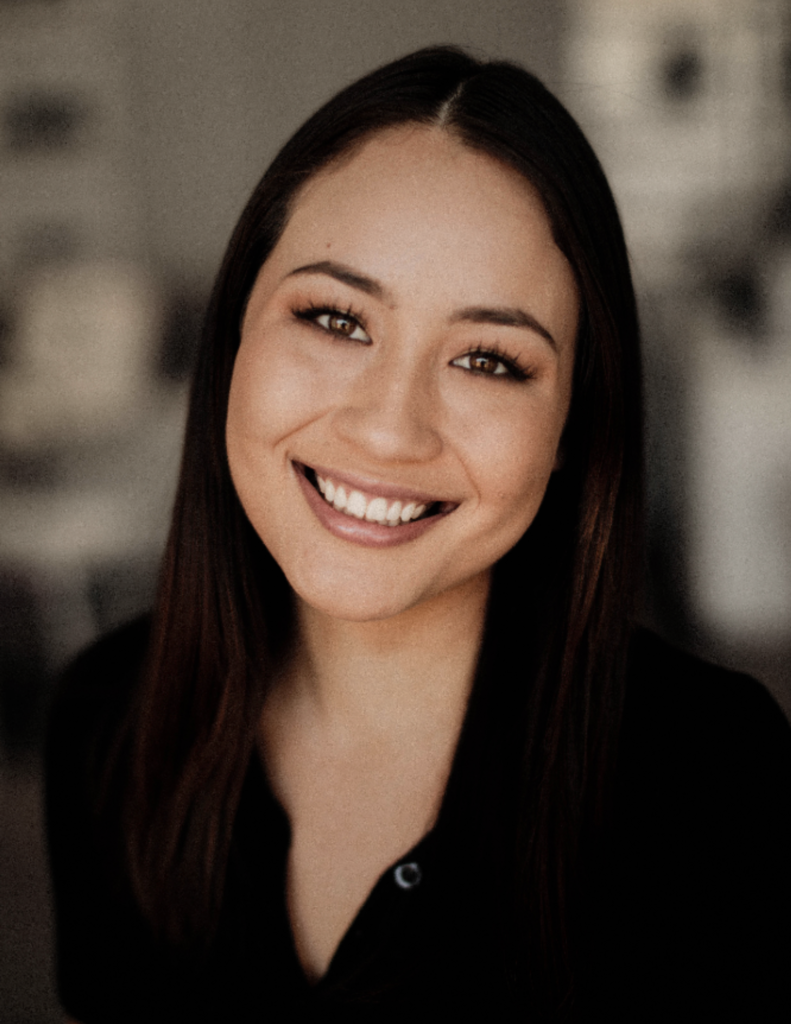
Lani Gingras, AMFT | Anxiety & OCD Therapist
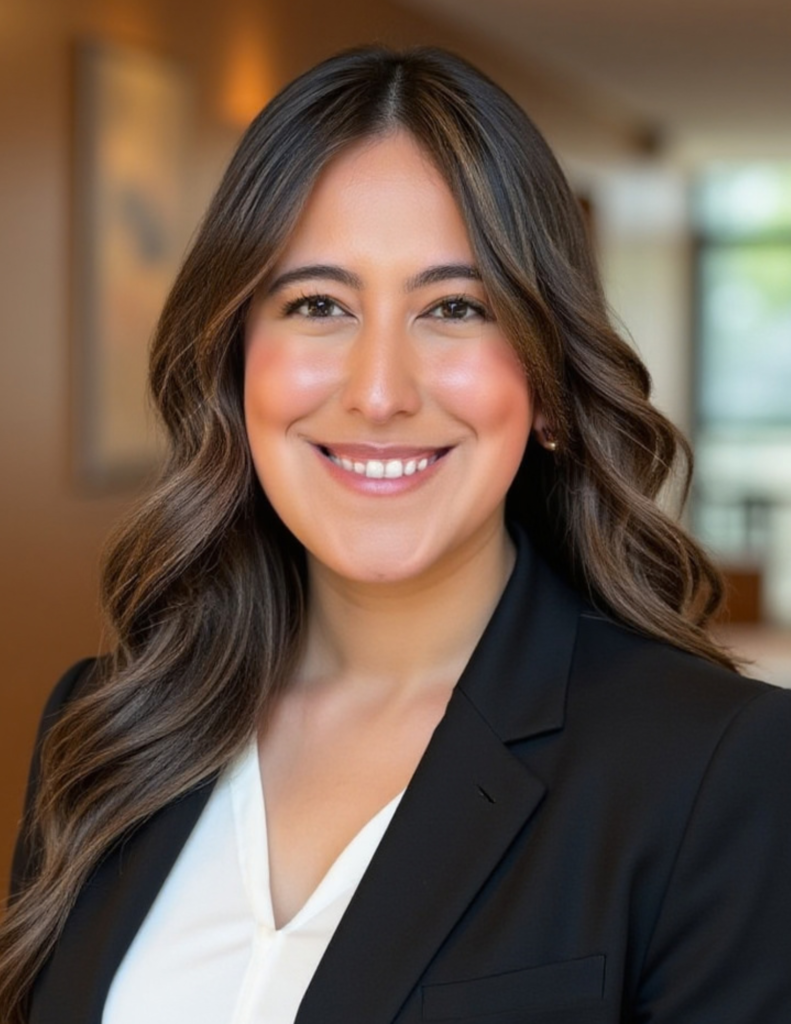
Vanessa Mendoza, AMFT | Couples, Family & Individual Therapist
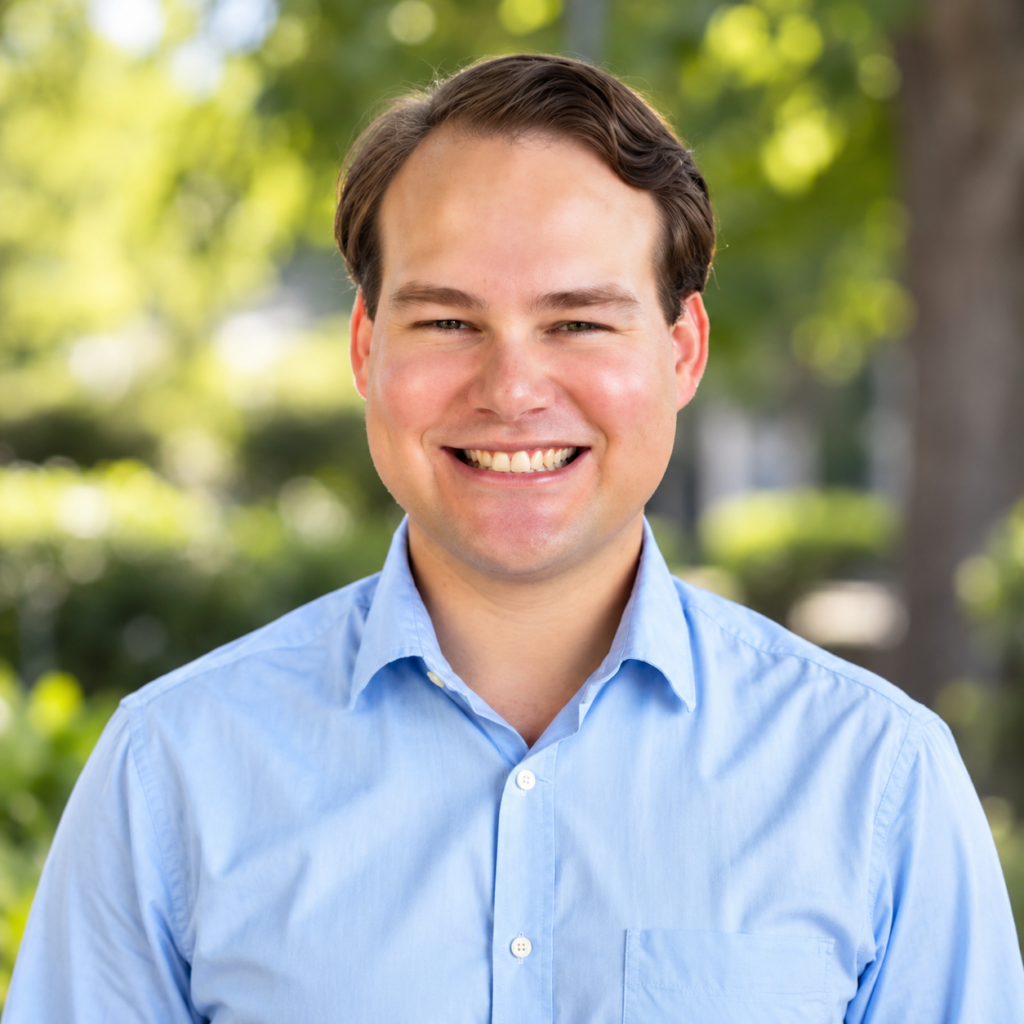
Brendan Bedolla, LPCC
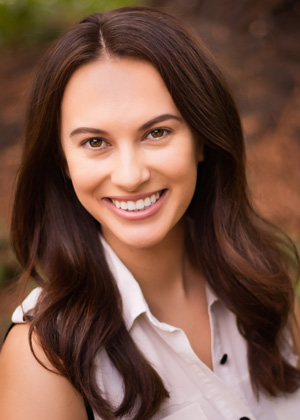
Amanda Stewart, LMFT
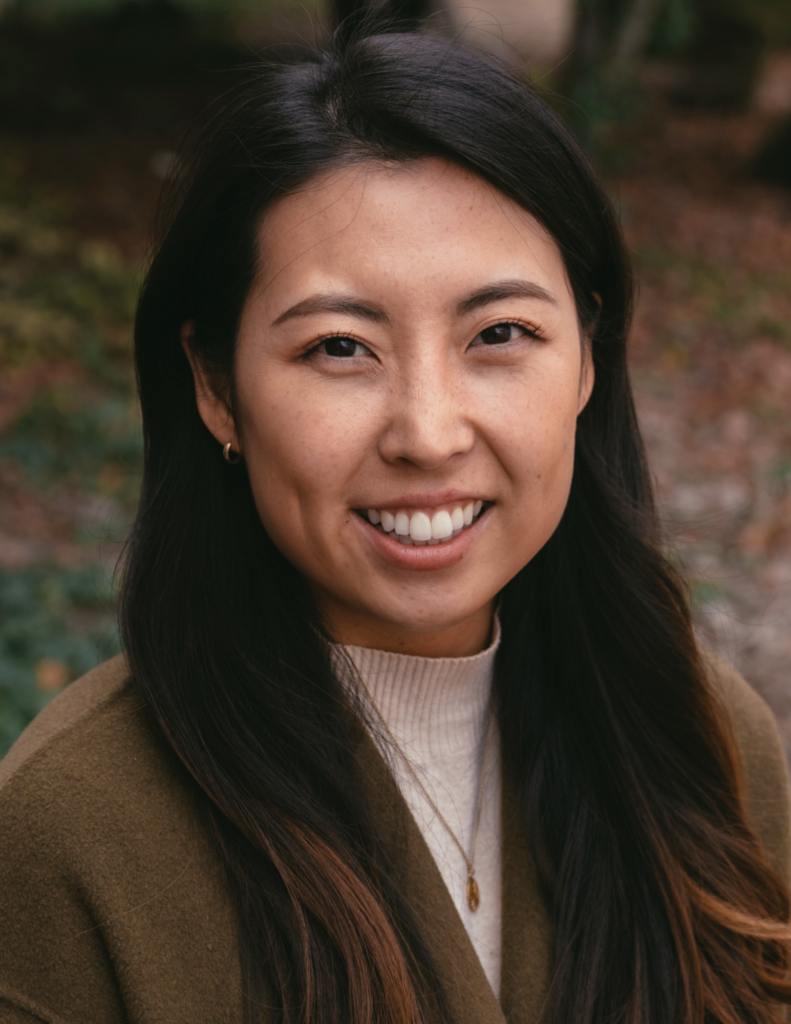
Hope Son, AMFT | Couples & Individual Therapist
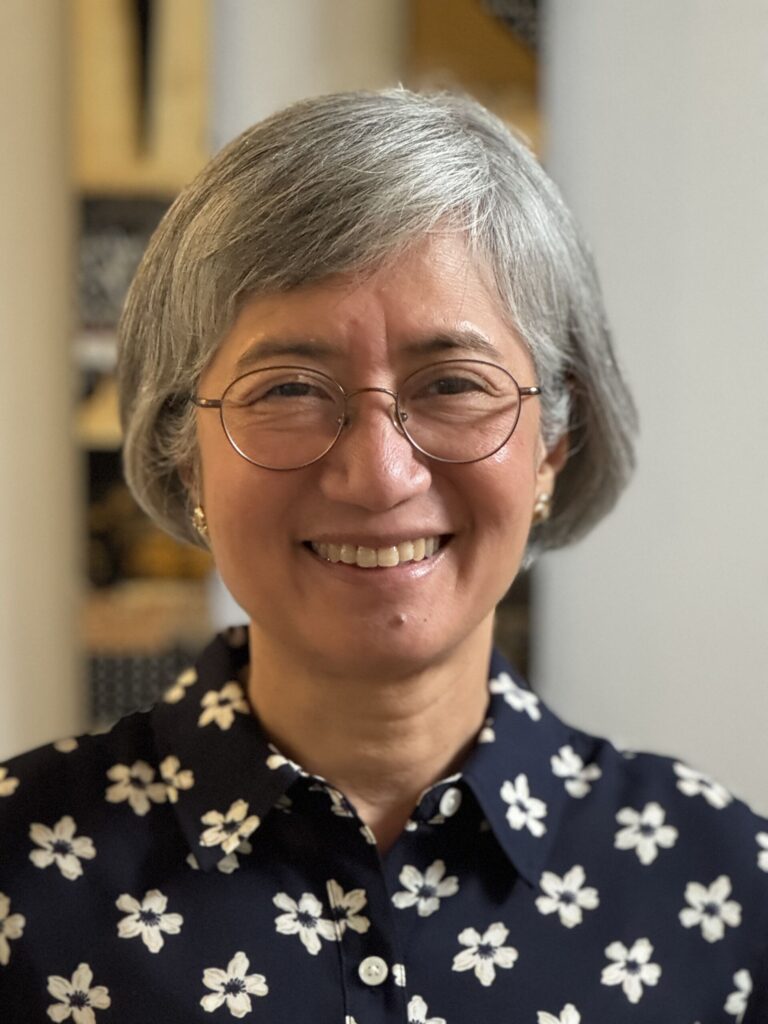
Hong-Ha Vuong, AMFT, APCC
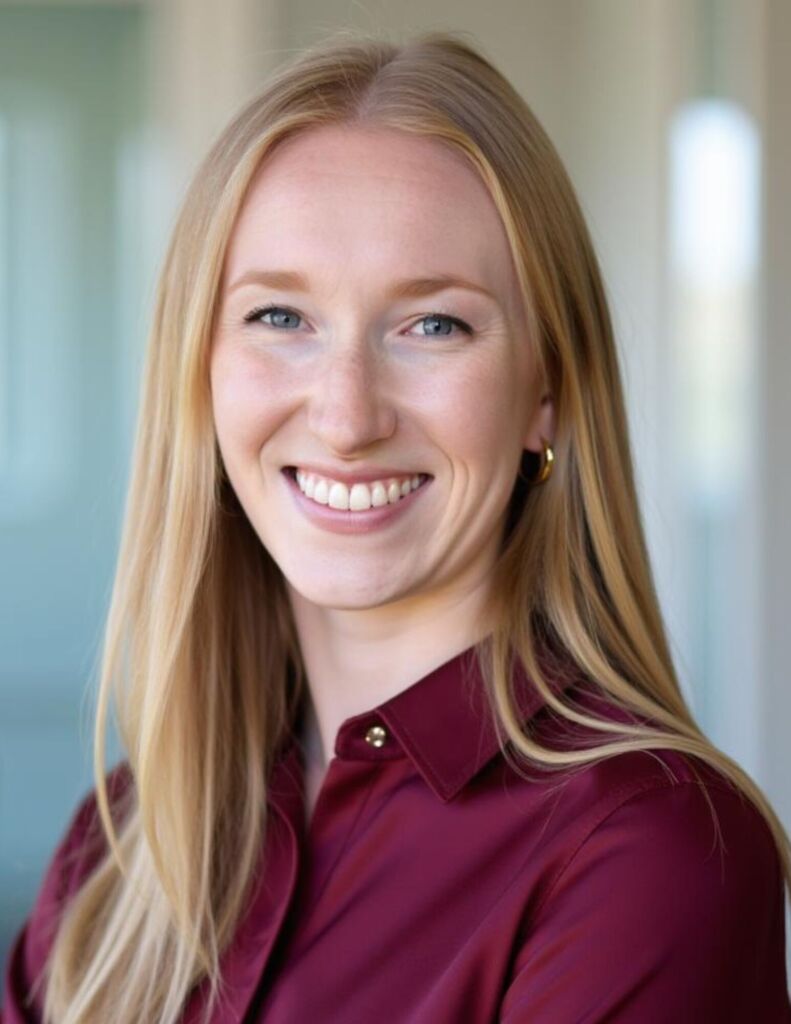
Hannah Bodin, AMFT
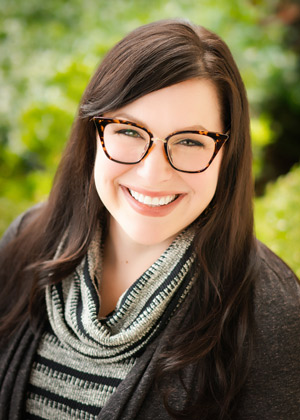
Jacquelyn “Jacqui” Lewis, LMFT, ATR-BC, CCTP, ACCTS
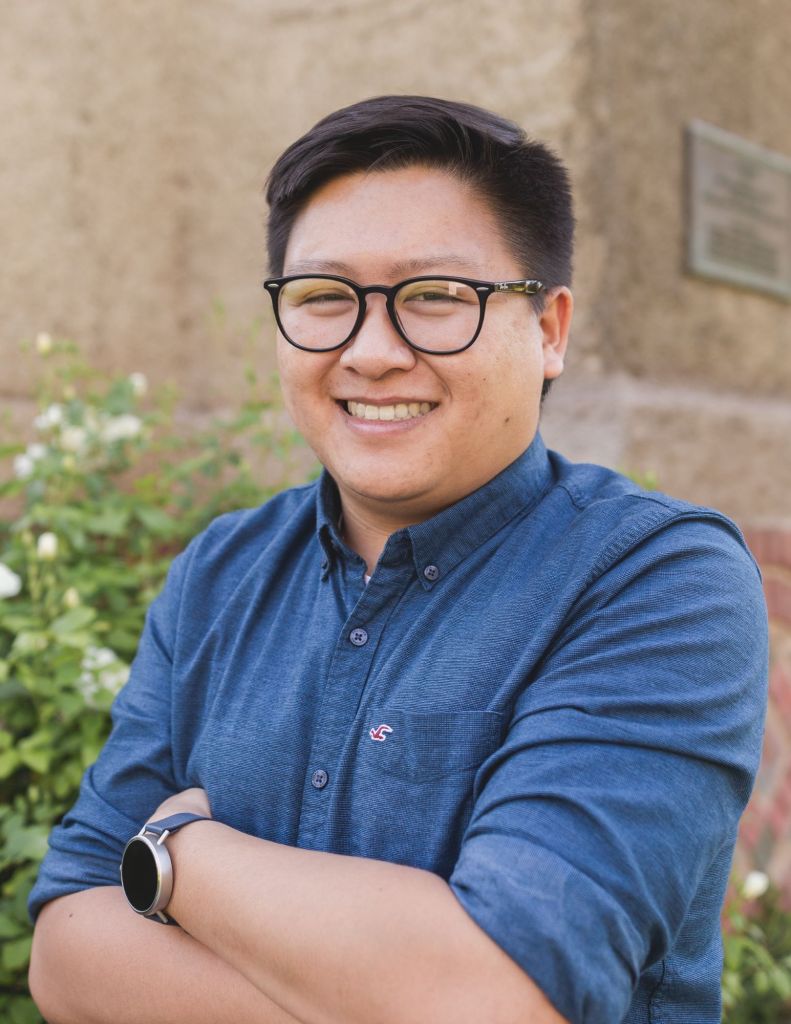
Michael Tran, LMFT
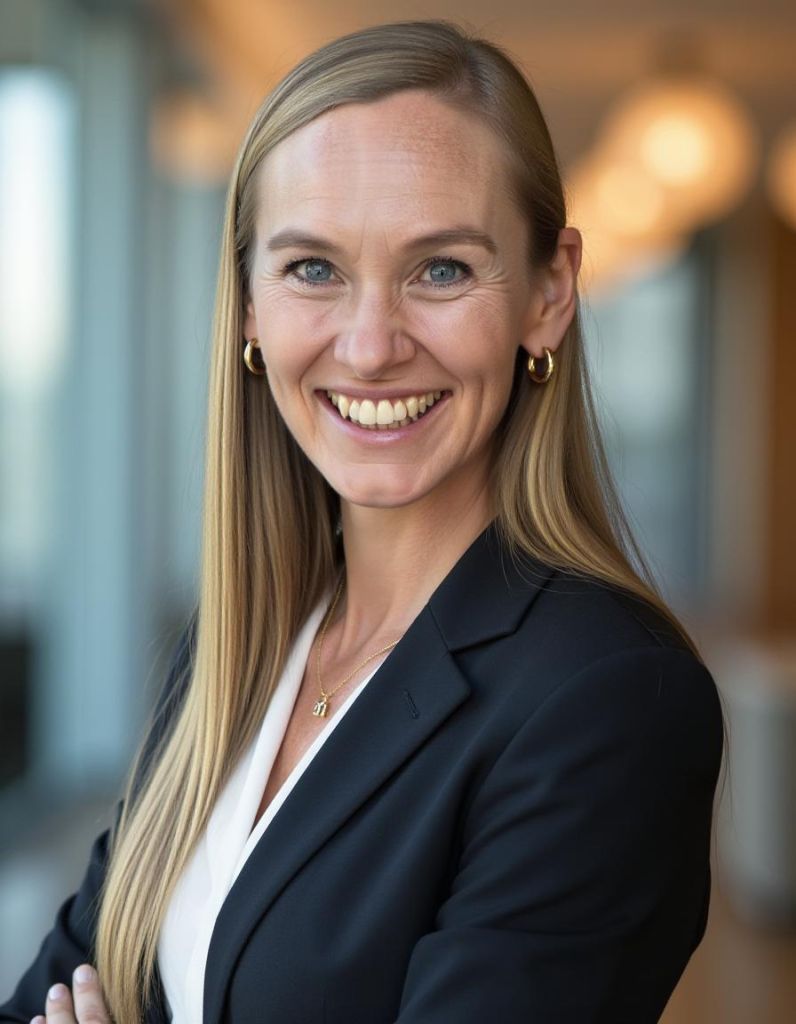
Sarah Covert, AMFT
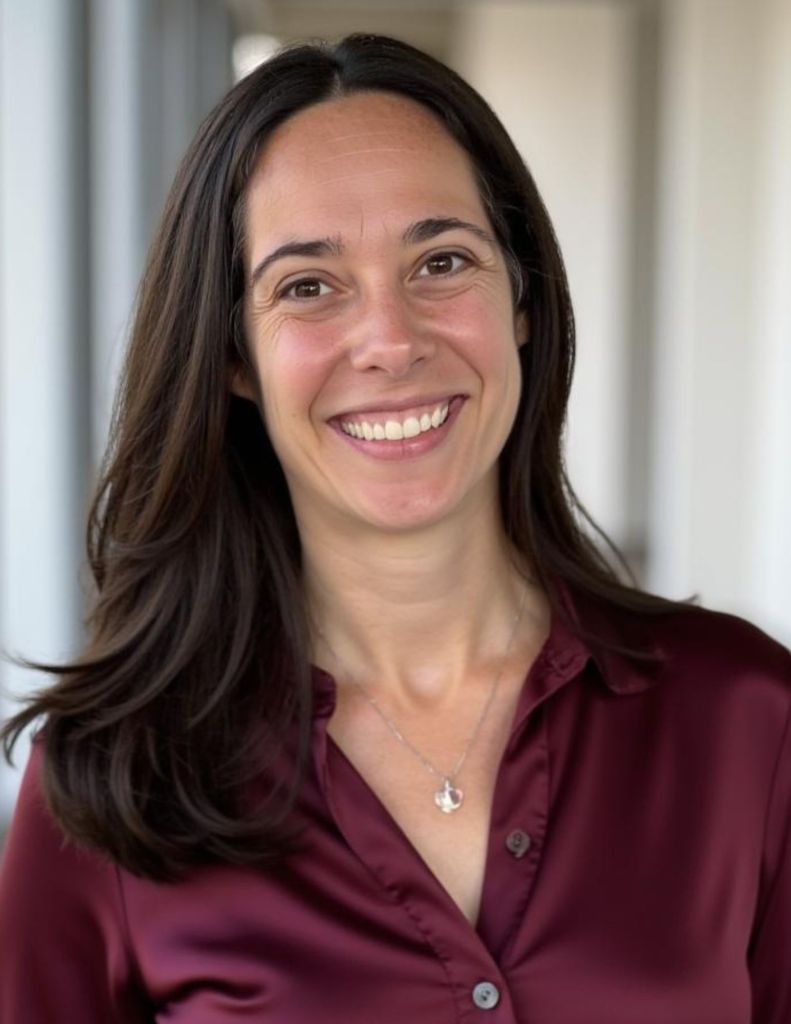
Laura Tolle, LMFT
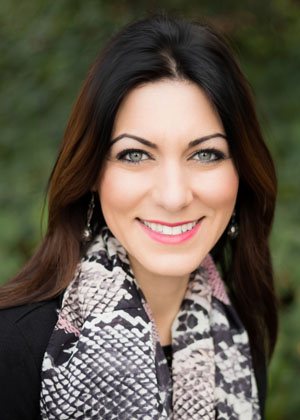
Bella Stitt, LMFT
We connect you with a therapist who specializes in CBT—no guesswork. You get the right support immediately, before things get worse.